Long Island Tile Pros Nassau & Suffolk County

Behind the Tile

Shower Waterproofing on Long Island

Tile and grout are not waterproof. The membrane and system behind them are what keep water out of the home. We build that part right.

A red brick wall under construction with tools and materials scattered around in a renovation project.

Why waterproofing matters more than the tile

Most “bad tile jobs” are actually bad waterproofing jobs. Once water gets behind the tile, it rots subfloor, soaks studs, drips into ceilings, and feeds mold. Waterproofing is the single most important part of any tile shower, and it is the part the homeowner never sees.

Systems we install

We install both sheet membrane systems (Schluter-Kerdi style) and quality liquid membrane systems. Both work when installed correctly. The right choice depends on the build, framing, and shape of the shower.

  • Sheet membrane systems on walls, floor pan, niches, and benches
  • Liquid applied membranes with reinforcing fabric at seams and corners
  • Pre-sloped foam pans with bonded drains
  • Reinforced inside and outside corners
  • Sealed pipe penetrations
  • Sloped niche sills so water drains out, not in

Where waterproofing is required

Every wall of the shower, the floor pan, the curb, the niche, the bench, and any wall within splash zone of the tub. We treat the entire wet area as one connected system, not a patchwork of products.

When an existing shower can not be saved

If a shower is already leaking, regrouting or recaulking is rarely a permanent fix. The membrane behind the tile is what failed, and you can not fix a failed membrane from the outside. In those cases the shower needs to be opened up and rebuilt correctly.
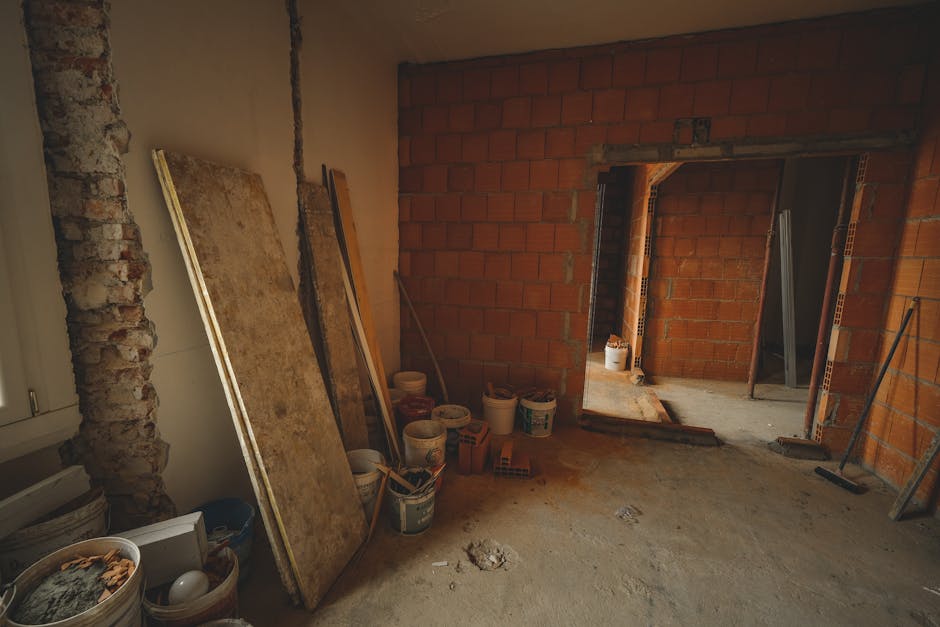
A red brick wall under construction with tools and materials scattered around in a renovation project.
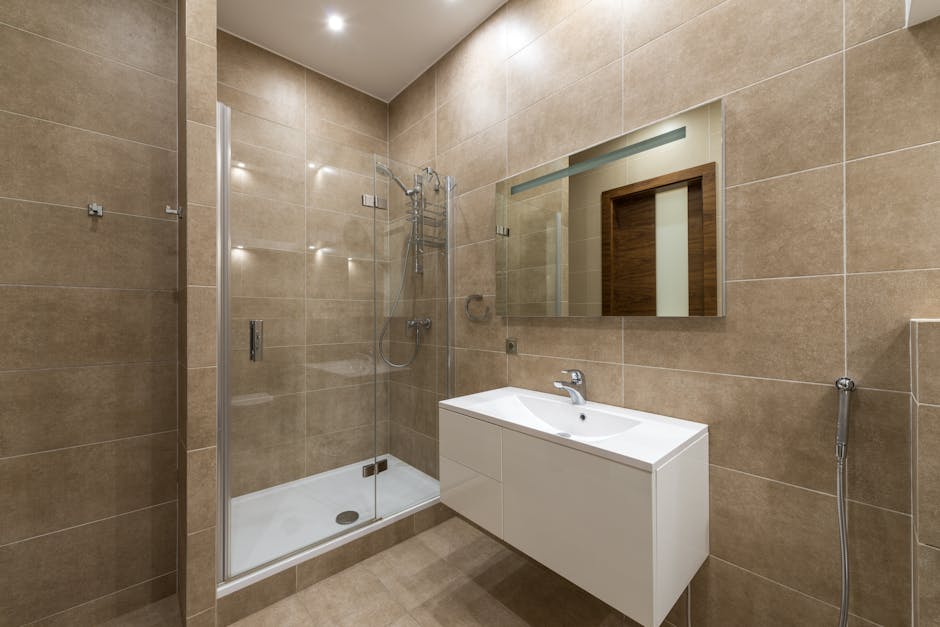
Elegantly designed modern bathroom featuring a glass shower, wall mirror, and large ceramic tiles.

FAQ

Shower Waterproofing — Frequently Asked Questions

How can I tell if my shower is leaking behind the tile?
Common signs include a soft or stained ceiling on the floor below, dark grout that never dries, loose tile, peeling paint on adjacent walls, and a musty smell. If you are seeing any of those, the system behind the tile needs to be checked, not just the surface.
Can you waterproof an existing shower without tearing it out?
Generally, no. A proper waterproofing system has to go behind the tile, so the tile and backer have to come off to install it.
Do you offer a system that you stand behind?
Yes. We install proven systems the way the manufacturer specifies. Cutting corners on waterproofing creates a problem we will not put our name on.
Why does shower waterproofing matter so much?
A tile shower without proper waterproofing is a slow leak waiting to happen. Cement board is moisture-resistant, not waterproof — water that gets through grout and into the substrate will eventually rot framing and grow mold. The membrane is what actually keeps your bathroom safe long-term.
What waterproofing systems do you use?
We mostly use Schluter-Kerdi sheet membrane and RedGard / Hydro Ban liquid-applied membrane. Both are industry standards. Which one we recommend depends on the substrate, the shower pan style, and how the bathroom is framed.
Can you waterproof an existing shower without retiling?
No. Waterproofing has to go on the substrate behind the tile. If you suspect a leak, the fix is to remove the tile, install a real membrane, and retile. We will give you an honest look — sometimes only the shower pan needs re-doing, not the walls.
How long does the waterproofing have to cure before tiling?
Sheet membranes can be tiled over the same day. Liquid membranes need 12–24 hours to fully cure depending on humidity. We respect cure times — rushing waterproofing is exactly how problems start.

Get Started

Get a free estimate for shower waterproofing

Long Island Tile Pros covers Nassau and Suffolk County. Send us a few details and we will follow up with next steps.

Call Now Free Estimate