What our tile installation service includes
Tile installation is more than setting tile in thinset. A good installer plans the layout, prepares the substrate, manages transitions, waterproofs wet areas, and finishes grout and caulk so the work looks clean and lasts. Long Island Tile Pros handles every part of that process, from the first measurement to the final wipe-down.
- On-site measurement and layout planning
- Subfloor or wall substrate evaluation
- Crack isolation and uncoupling membranes when needed
- Shower waterproofing for any wet area
- Thinset/mortar selection sized to the tile
- Precise cuts at niches, outlets, and transitions
- Grout selection, sealing, and color-matched caulk
Where tile installation is commonly used in Long Island homes
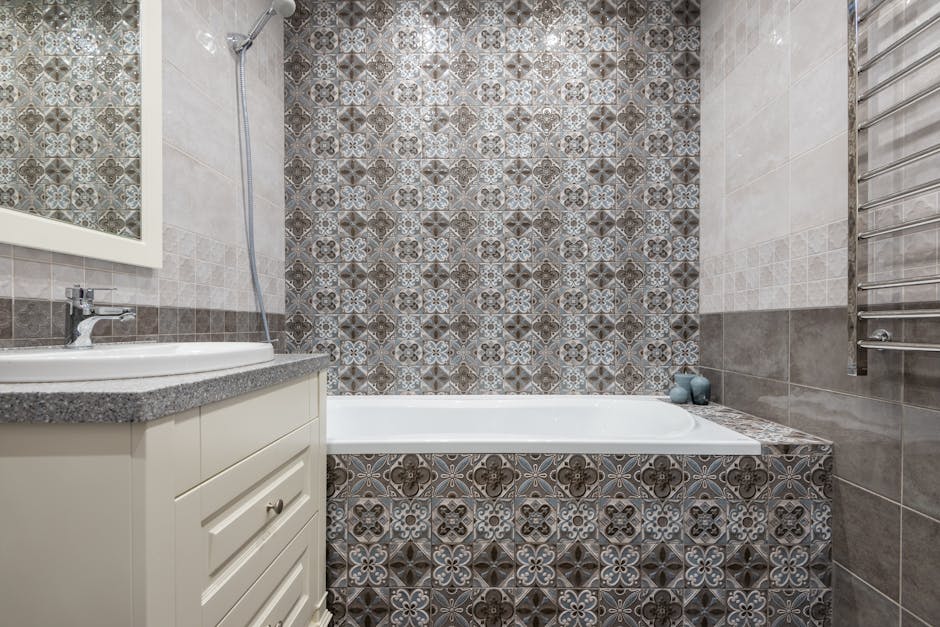
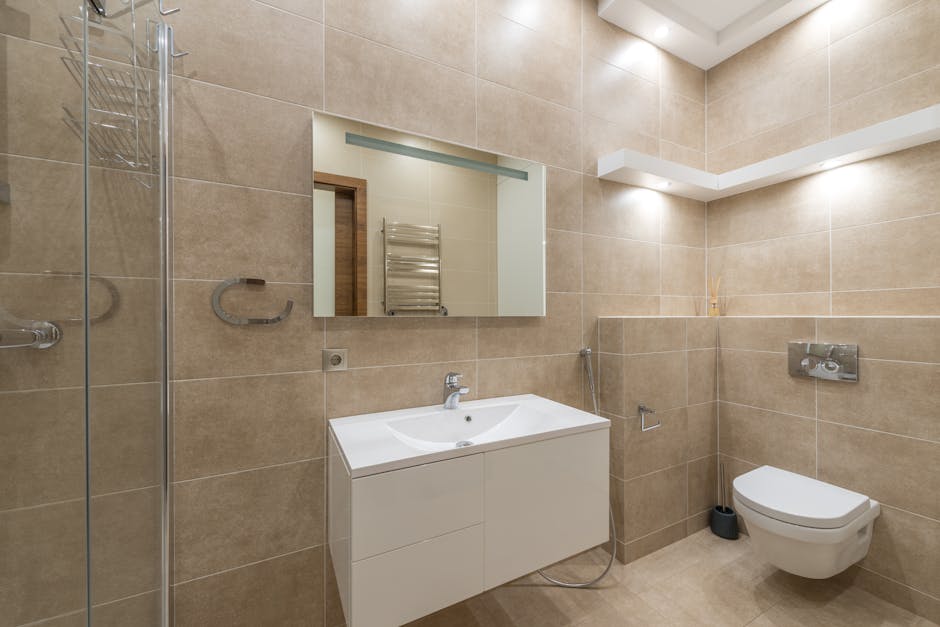
Across Nassau and Suffolk County, tile shows up in nearly every part of the home: bathroom floors and walls, full shower surrounds, kitchen backsplashes and floors, mudrooms, laundry rooms, entryways, basements, sunrooms, and fireplace surrounds. Many older Long Island homes also need full bathroom renovations where tile, waterproofing, and substrate prep all have to be done together.
Materials and tile options
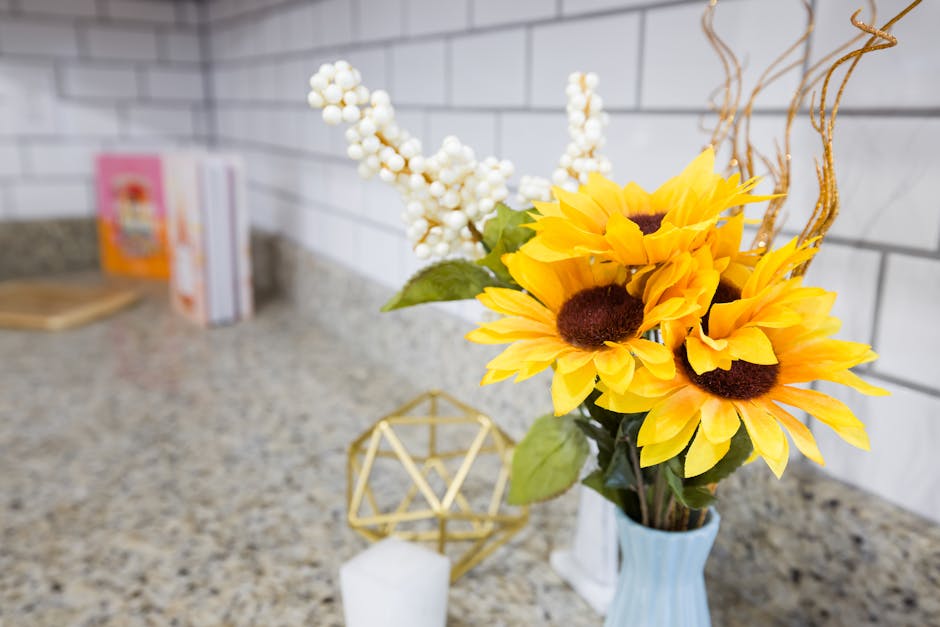
We install porcelain, ceramic, natural stone, marble, glass, mosaic, large-format, patterned, and stone-look tile. The right choice depends on the room, traffic, moisture exposure, and your style. Bathrooms and showers usually call for porcelain or properly sealed stone. Kitchen floors do well with porcelain. Backsplashes are flexible — ceramic, glass, and mosaic are all common.
Prep work matters more than the tile
A beautiful tile can still fail if the substrate is wrong. Floors must be flat within tolerance for the tile size, especially with large-format. Wet walls need a proper waterproofing system. Plywood subfloors usually need cement board or an uncoupling membrane. We do this prep work as part of the job, not as an afterthought.
Common mistakes we see and fix
A lot of repair calls trace back to skipped prep: tile set directly to drywall in a shower, no waterproofing behind the wall, missing crack isolation on a slab, grout used as caulk in corners, or a layout that puts tiny slivers in the most visible spot. We plan around all of that from the start.