Long Island Tile Pros Nassau & Suffolk County

Floors

Floor Tile Installation on Long Island

A floor tile job lives or dies on the prep. Flat substrate, crack isolation, and the right thinset are what keep it from cracking later.

Decorative tiles adorned with autumn leaves scattered across the floor.

What we include in a floor tile installation

Demo of existing flooring when needed, substrate evaluation, leveling, crack isolation or uncoupling membrane when the slab or subfloor calls for it, tile set in the right thinset, grout, and transitions to adjacent flooring.

  • Subfloor flatness check (especially for large-format)
  • Self-leveling underlayment when needed
  • Crack isolation on slabs
  • Uncoupling membrane on plank subfloors
  • Clean transitions at thresholds

Where floor tile is common in Long Island homes

Bathrooms, kitchens, mudrooms, laundry rooms, entryways, sunrooms, basements, and increasingly through open-concept main floors as large-format porcelain becomes more popular.

Materials for floor tile

Porcelain is the most durable choice and the standard for floors. Ceramic works in lower-traffic areas. Natural stone needs sealing and is more maintenance. Large-format porcelain (24x24 and up) gives a modern look but demands extremely flat substrate.

Why floor tile cracks (and how we prevent it)

Floor tile cracks because something moved underneath it — a flexing subfloor, a hairline crack in a slab, or thinset that did not fully bond. We address all three with proper substrate prep, the right membrane, and back-buttered tile when needed.
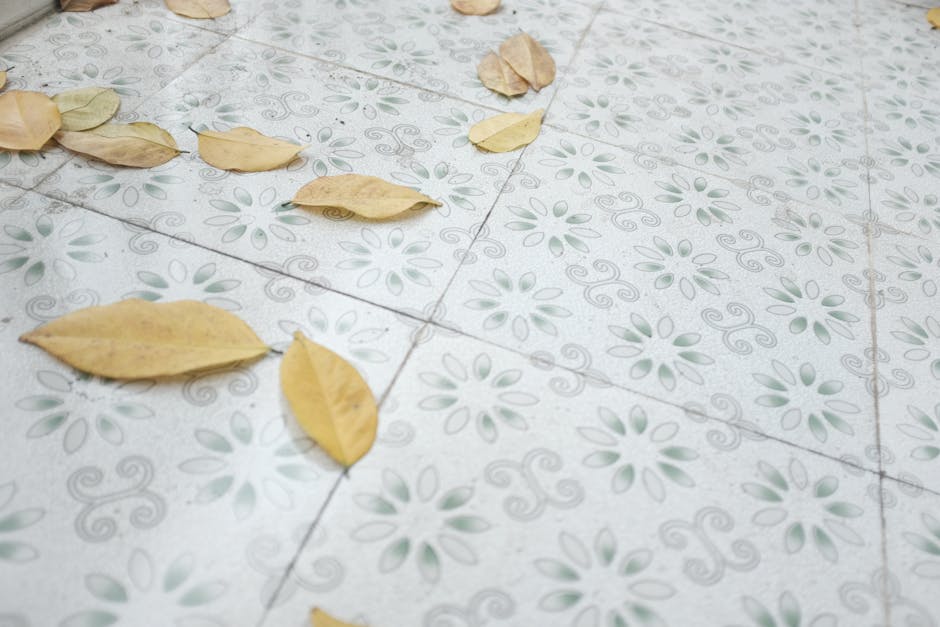
Decorative tiles adorned with autumn leaves scattered across the floor.
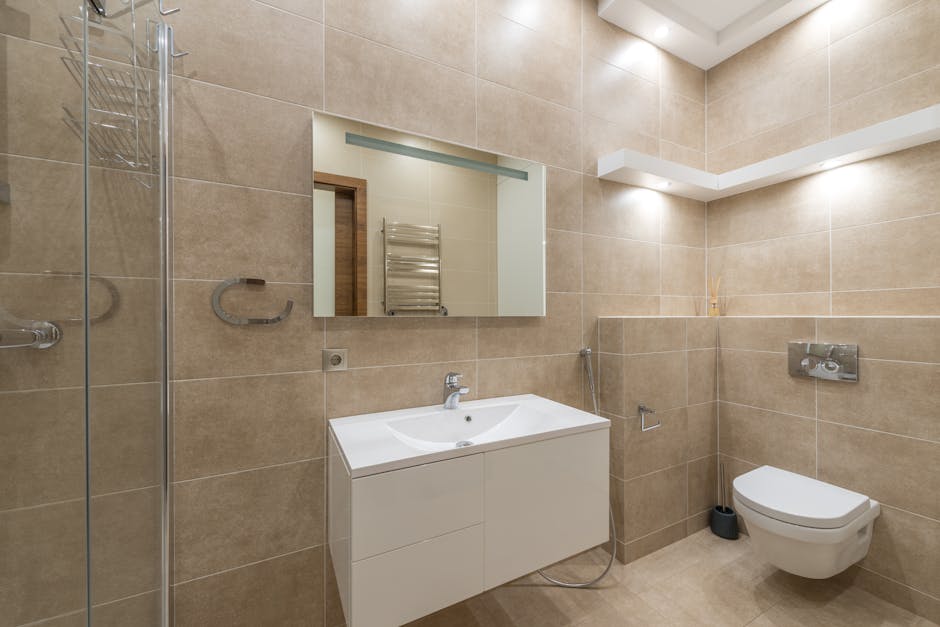
Elegant bathroom with modern fixtures and beige tiles.

FAQ

Floor Tile Installation — Frequently Asked Questions

Do you remove the existing floor?
Yes — vinyl, hardwood, carpet, or old tile. Demo and substrate prep are part of the job.
How long do I have to stay off a new tile floor?
Light foot traffic is typically OK after 24 hours. Heavy use, furniture, and grout sealing follow a longer schedule depending on the products used.
Can you install heated floors under tile?
Yes. We install electric radiant heat mats under tile floors when requested.
Will you replace my subfloor if it isn’t flat?
We level it. Tile installed over an out-of-flat subfloor will lippage and eventually crack — especially with large-format porcelain. We pour self-leveling underlayment or sister joists when needed, and we use an uncoupling membrane on wood-frame Long Island homes to absorb seasonal movement.
Can you tile over an existing tile floor?
Sometimes, if the existing tile is solidly bonded and the height transition works. More often, removal gives a better long-term result because it lets us address the substrate and avoid stacking thicknesses. We’ll tell you honestly which is the right call.
Do you install transitions between tile and other flooring?
Yes — Schluter-Reno profiles, T-moldings, and tile-to-wood thresholds are all part of every floor tile job. Clean transitions are one of the small details that separates a real install from a rushed one.
Is large-format porcelain a good idea for Long Island homes?
Yes, with two caveats: the substrate has to be flat (we level when needed), and you need real expansion joints around the perimeter and at long runs. When those two are right, large-format porcelain is one of the most durable, beautiful options for floors in a Long Island home.

Get Started

Get a free estimate for floor tile installation

Long Island Tile Pros covers Nassau and Suffolk County. Send us a few details and we will follow up with next steps.

Call Now Free Estimate